Home › Guides › Acrylic vs aluminium signs
Acrylic vs aluminium signs
The two workhorse sign materials compared honestly — gloss and glow versus armour and longevity.
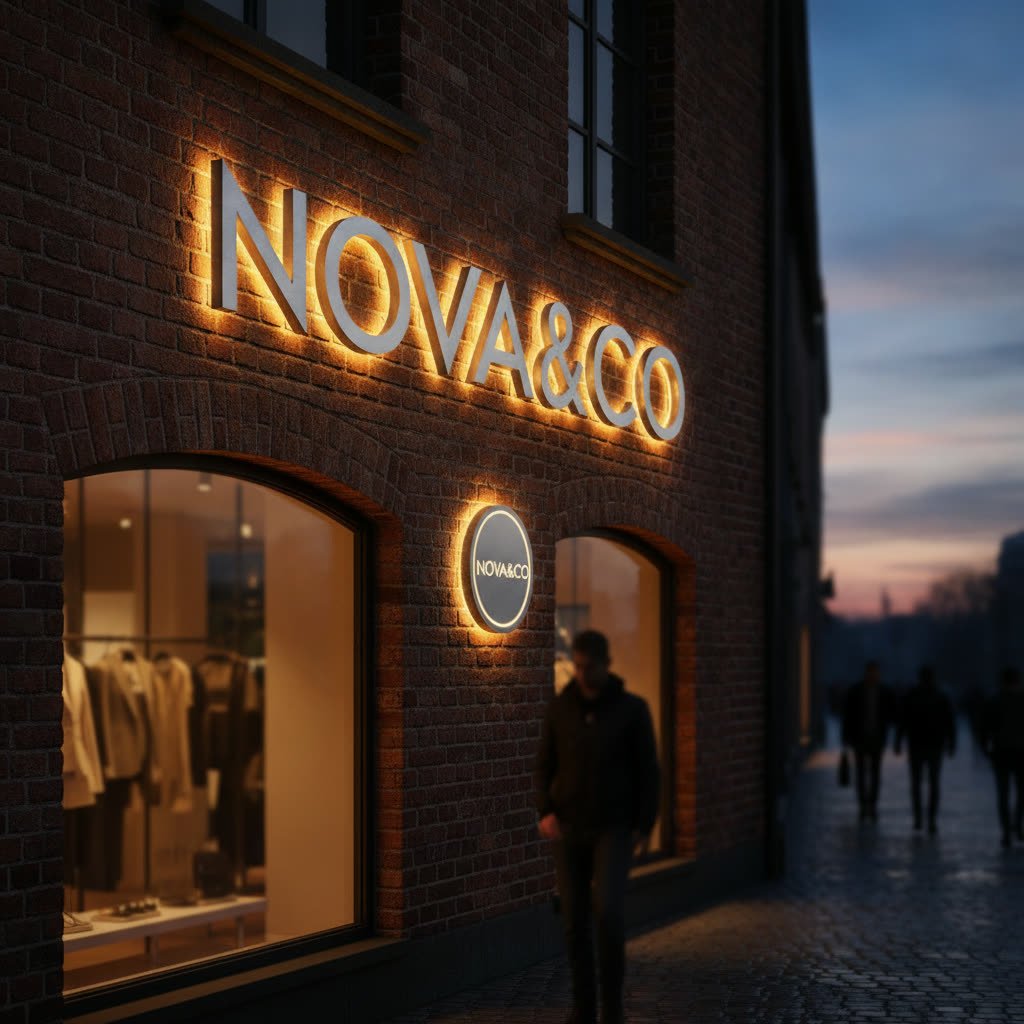
Two materials, two personalities
Acrylic is the glossy one: rich depth of colour, polished edges, and it loves light — the material of illuminated letters and smart reception logos. Aluminium (and aluminium composite, ACM) is the tough one: rigid, weatherproof, stays flat for years — the material of fascias, trays and anything living outdoors unlit.
Choose acrylic when…
Choose aluminium / ACM when…
The usual answer: both
Most good shop fronts combine them — an aluminium tray for the armour, acrylic letters for the glow. That pairing is the default high-street recipe for a reason, and it is what we will usually sketch first at your free design stage.
Quick answers
Which lasts longer outdoors?
Aluminium and ACM — they shrug off weather that will eventually stress acrylic sheet. Acrylic outdoors belongs in letter form, not as large unsupported panels.
Which is cheaper?
For flat panels, ACM is usually the economical choice. For letters, flat-cut acrylic is the affordable route into a premium look. Built-up letters in either material cost more than flat-cut in both.
Can acrylic signs be illuminated?
Acrylic is the illumination material — it transmits and diffuses light beautifully, which is why push-through and face-lit letters are made from it.
What about dibond?
Dibond is a brand of ACM — aluminium composite. Same family, same strengths: flat, light, rigid, weatherproof.
Related
Ready to get
a price?
Free quote in 60 seconds. Free design included. Fixed price, no surprises.